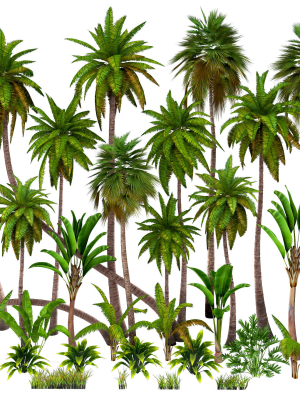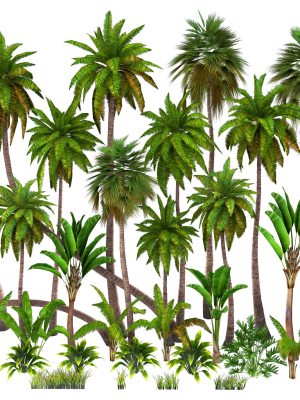
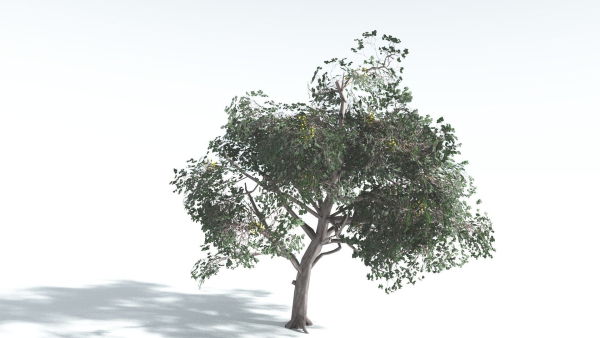
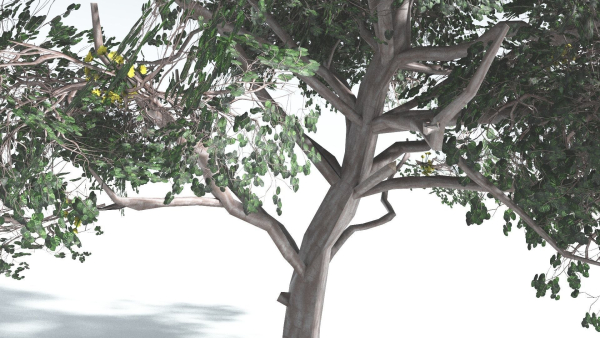
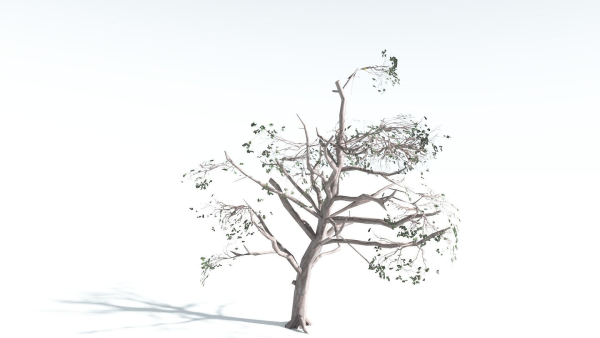








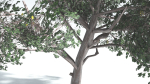
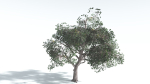
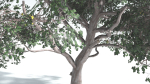
EVERYPlant Portia Tree LowPoly 1 –14 Models–
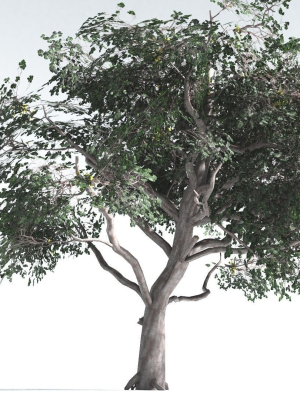
EVERYPlant Portia Tree LowPoly 1 –14 Models–
Product details
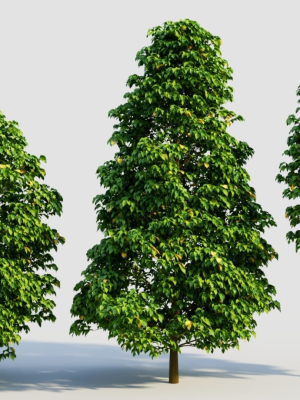
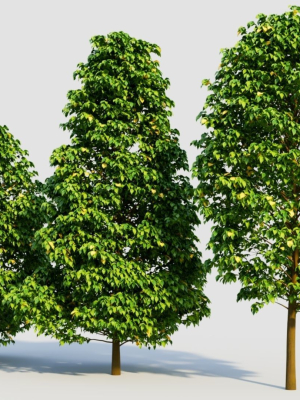
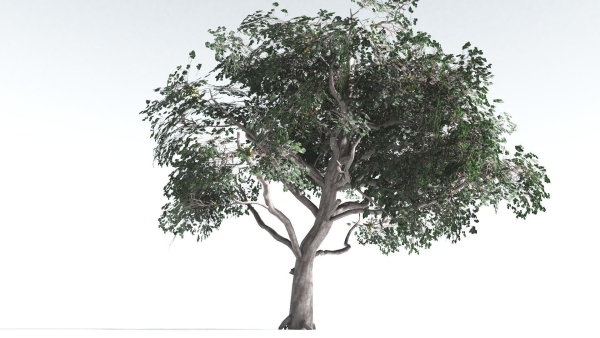
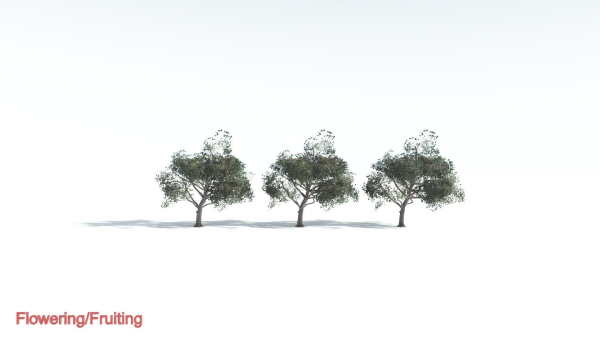
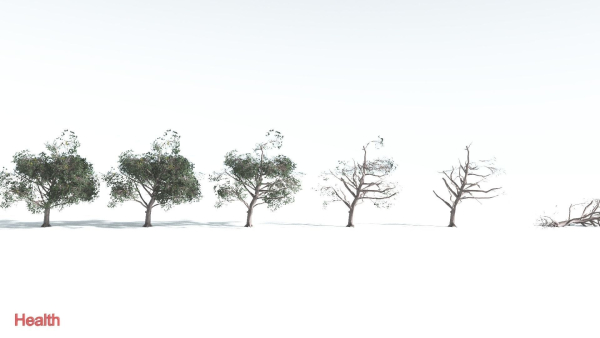
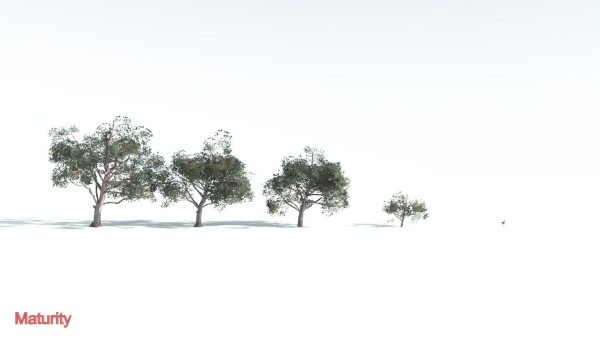
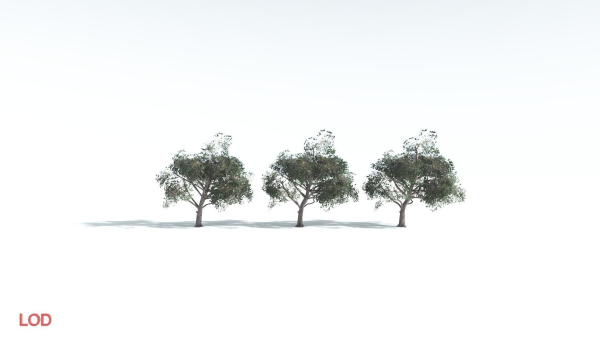
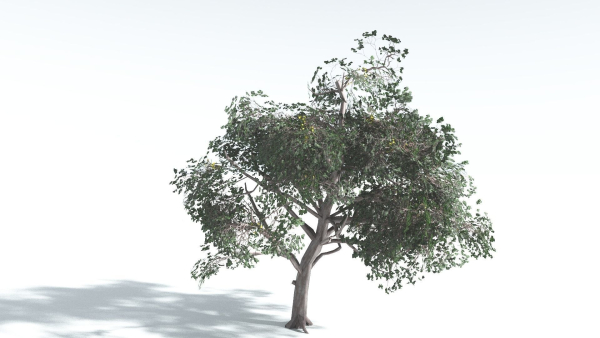
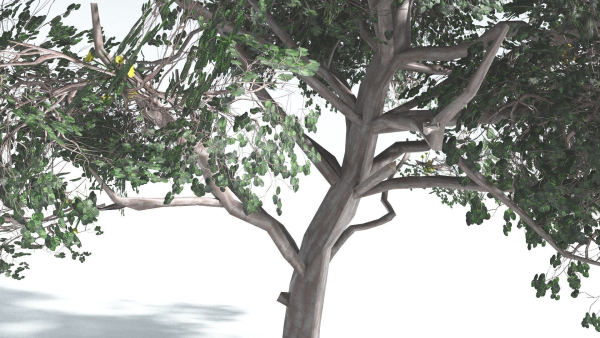
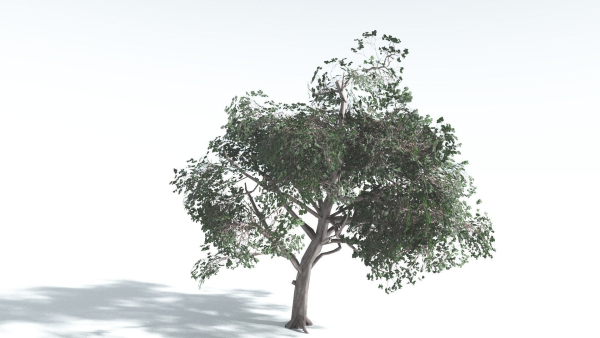
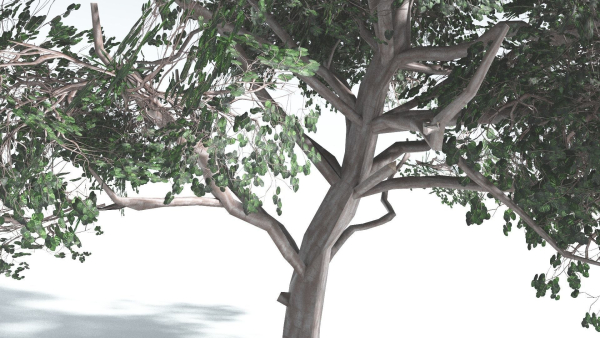
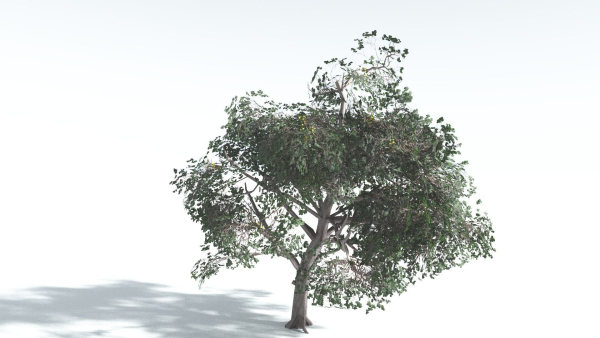
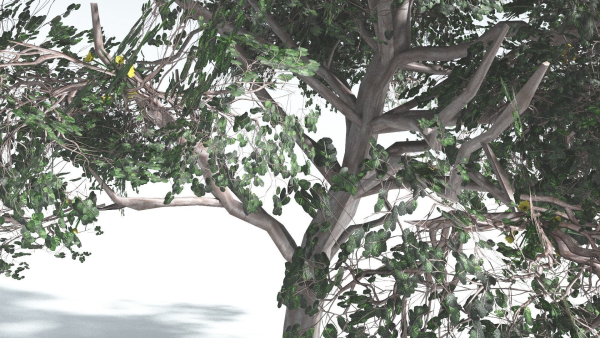
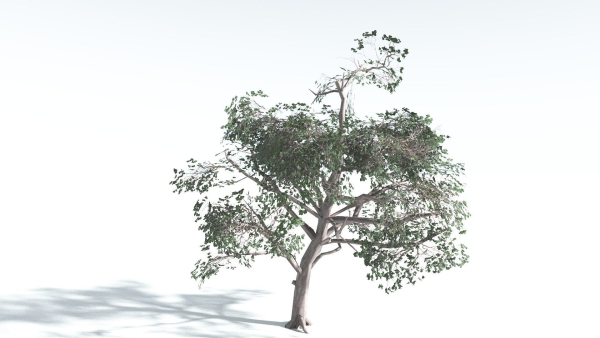
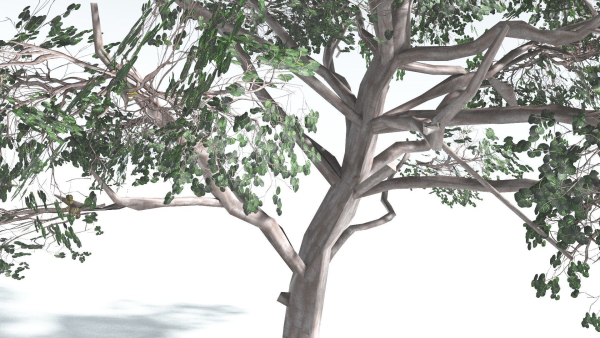
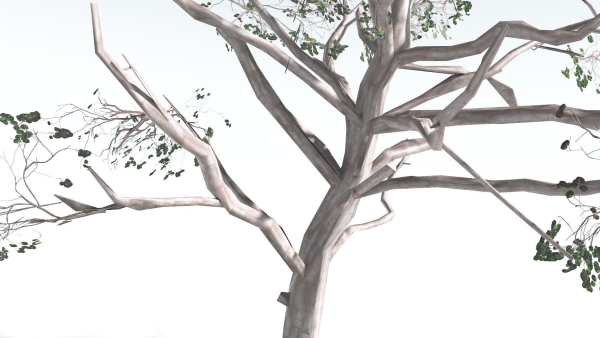
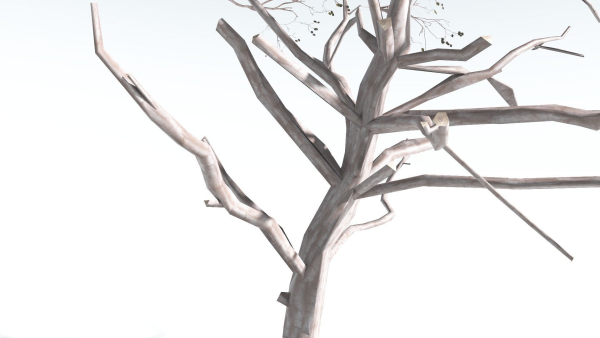
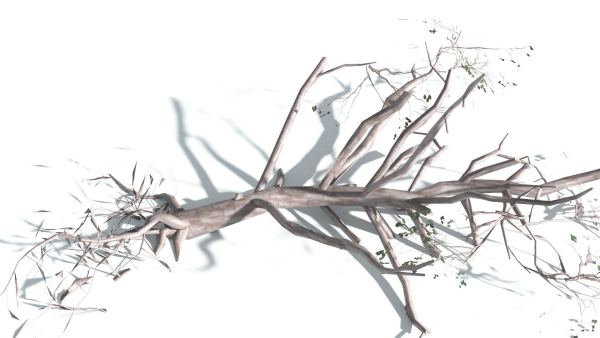
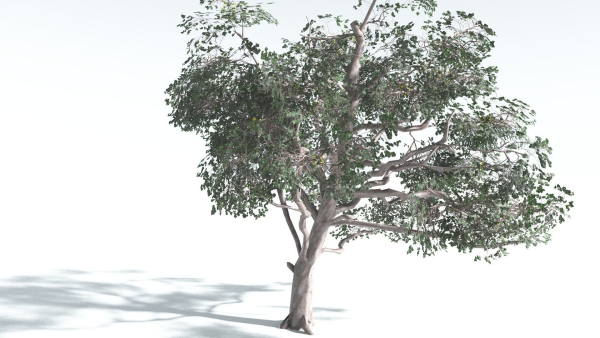
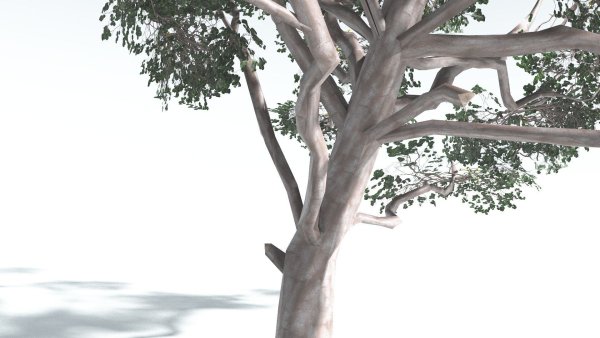
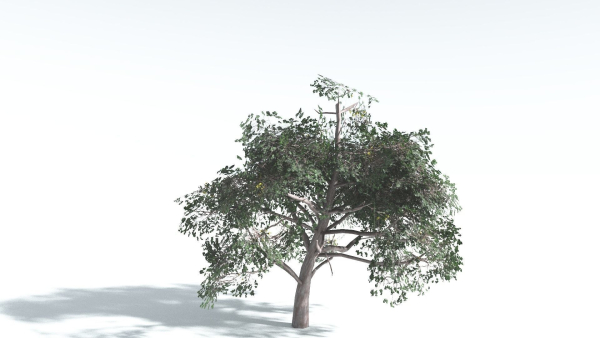
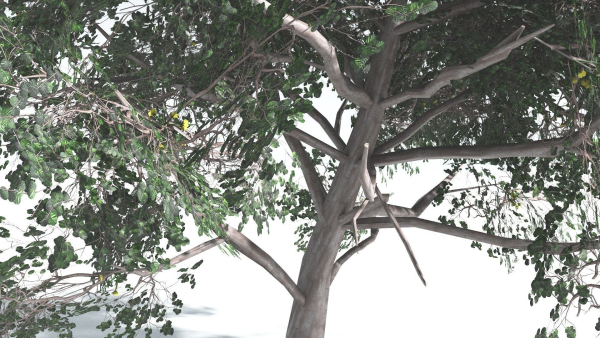
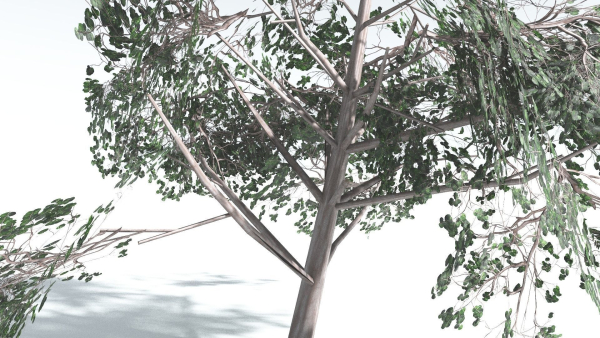
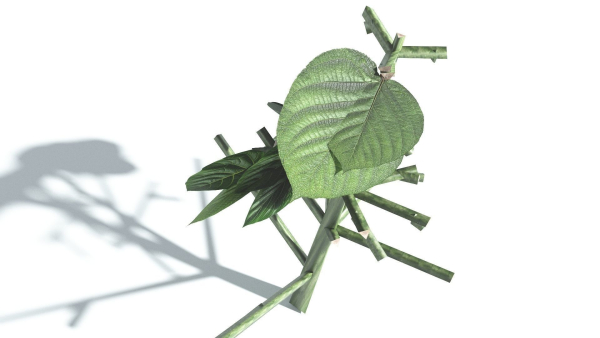
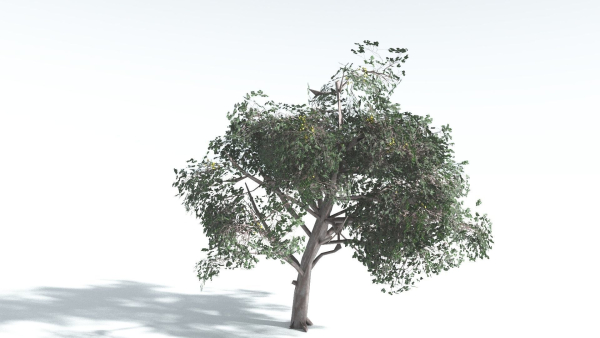
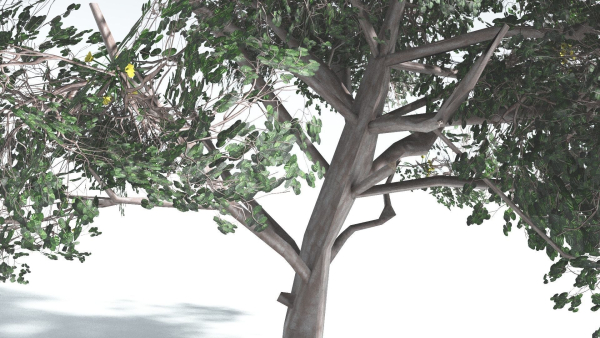
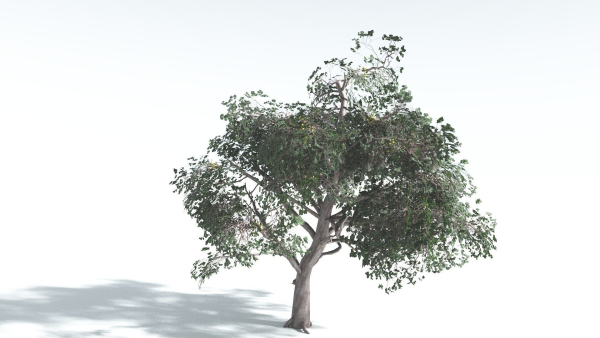
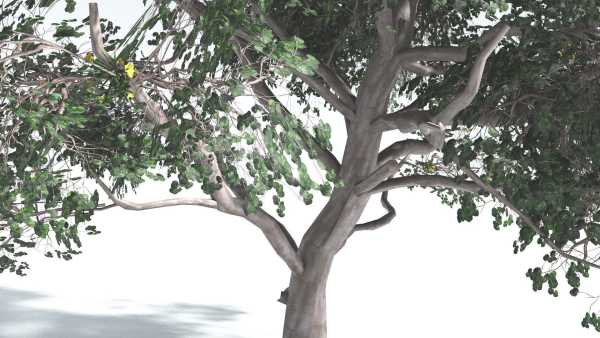
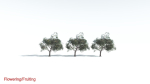
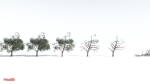
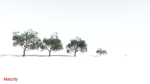
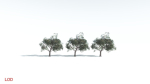
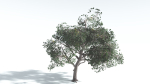
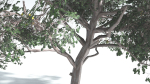
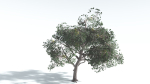
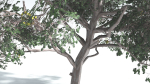
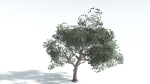
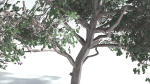
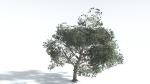
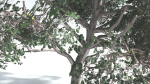
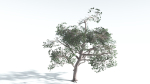
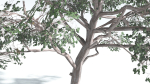
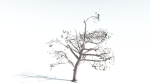
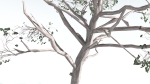
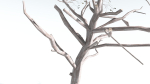
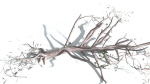
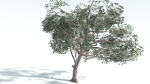
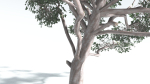
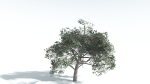
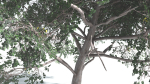
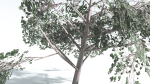
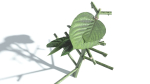
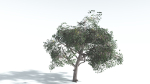
Name: Portia Tree LowPoly Scientific: Thespesia populnea A.K.A.: Pacific Rosewood, Indian Tulip Tree, Polynesian Rosewood, Seychelles Rosewood, Spanish Cork, Bendytree, Cork-Tree, Corktree This Variation: 1 of 4. This is a Low Poly model. A High Poly version is also available. Notes: A tree found commonly on coasts around the world. Although it is confirmed to be native only to the Old World tropics, other authorities consider it to have a wider, possibly pantropical native distribution. Found along tropical coastlines and adapted for oceanic dispersal and growth in island environments. It is known from both coasts of Africa, tropical Asia, northern Australia, the Pacific Islands (including Hawaii), the tropical Pacific coast of the Americas from Mexico south to Colombia, the West Indies, and Florida in the United States. Typically it reaches a height of 6–10m and grows at elevations from sea level to 275m in areas that receive 500–1,600mm of annual rainfall. It is able to grow in the wide range of soil types that may be present in coastal environments, including soils derived from quartz (sand), limestone, and basalt. Included in this Package: 14 models in total Standard — 24,104 polygons, 44,997 vertices, 9.69m tall. Green, fully mature and in good health. Has mixture of flowers and fruit. Useable in most scenes. Flowering — 28,520 polygons, 58,245 vertices, 9.69m tall. A standard plant with all flower. Fruiting — 19,196 polygons, 30,273 vertices, 9.69m tall. A standard plant with all fruit. Thriving — 25,669 polygons, 48,050 vertices, 9.69m tall. Peak health. Unhealthy — 6,936 polygons, 10,964 vertices, 9.69m tall. Relatively poor state with foliage missing or diseased. Dying — 3,815 polygons, 5,433 vertices, 9.55m tall. Just hanging onto life and showing only unhealthy and diseased foliage. Dead — 2,325 polygons, 3,098 vertices, 8.36m tall. Showing only bare and broken branches and dead foliage. Uprooted — 8,971 polygons, 11,241 vertices, 4.33m tall. Dead plant fallen onto its side. Ancient — 27,355 polygons, 48,566 vertices, 11.02m tall. Very old plant, larger and considerably gnarled. Young — 20,946 polygons, 39,889 vertices, 8.24m tall. Smaller plant, some half way through its maturing cycle. Immature — 1,297 polygons, 2,200 vertices, 3.68m tall. Very small and young plant. Sapling — 443 polygons, 744 vertices, 67.8cm tall. Recently sprouted, may not have any leaves. Lower Poly — 20,995 polygons, 40,868 vertices, 9.69m tall. Fewer polys to save system resources. For mid or distant renders. Standard model included, remainder models upon request (no charge). Higher Poly — 29,672 polygons, 51,384 vertices, 9.69m tall. More polys for greater detail. For close-up renders. Standard model included, remainder models upon request (no charge). Re-meshing and any reasonable modification available upon request. No charge to existing customers of the product. The textures included are mainly 4k (4096×4096); additional texture sizes of medium 2k, small 1k, and tiny <1k textures can also be downloaded. Separated alpha maps can be download as well. EVERYPlant has a mission ... which is to model every plant species in the world (plus some extinct, fantasy and sci-fi variations as well)! Okay, maybe not every plant! If you don't see it in our store, please get in contact; we have thousands of species on file awaiting upload.
Shipping and Returns
Shipping cost is based on weight. Just add products to your cart and use the Shipping Calculator to see the shipping price.
We want you to be 100% satisfied with your purchase. Items can be returned or exchanged within 30 days of delivery.
Quick Comparison
| Settings | EVERYPlant Portia Tree LowPoly 1 --14 Models-- remove | Carpinus betulus a remove | Plants collection 965 remove | Viburnum opulus b remove | 10 High Quality Bamboo Bush collection remove | Viburnum opulus c remove |
|---|---|---|---|---|---|---|
| Name | EVERYPlant Portia Tree LowPoly 1 --14 Models-- remove | Carpinus betulus a remove | Plants collection 965 remove | Viburnum opulus b remove | 10 High Quality Bamboo Bush collection remove | Viburnum opulus c remove |
| Image | 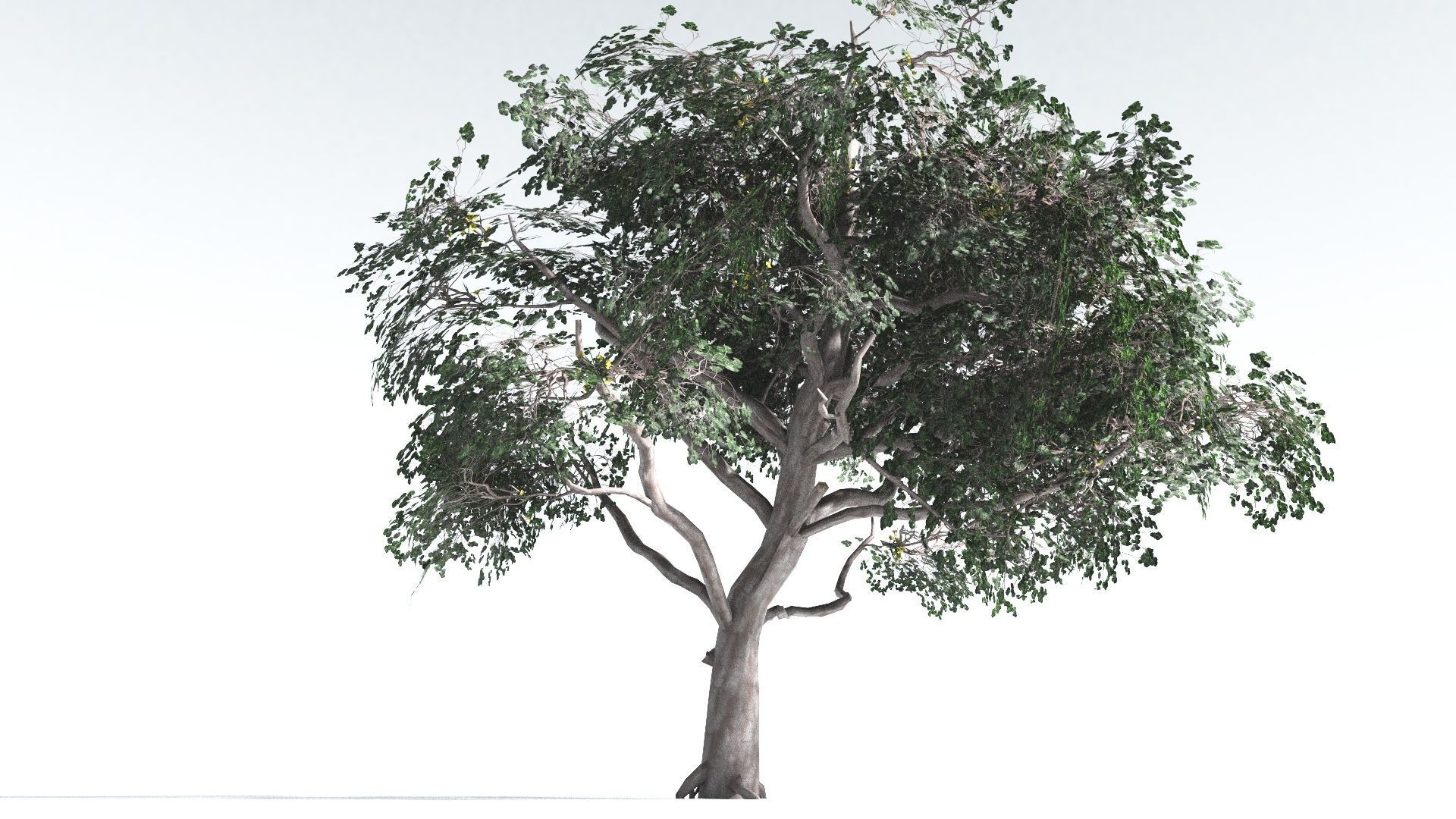 | 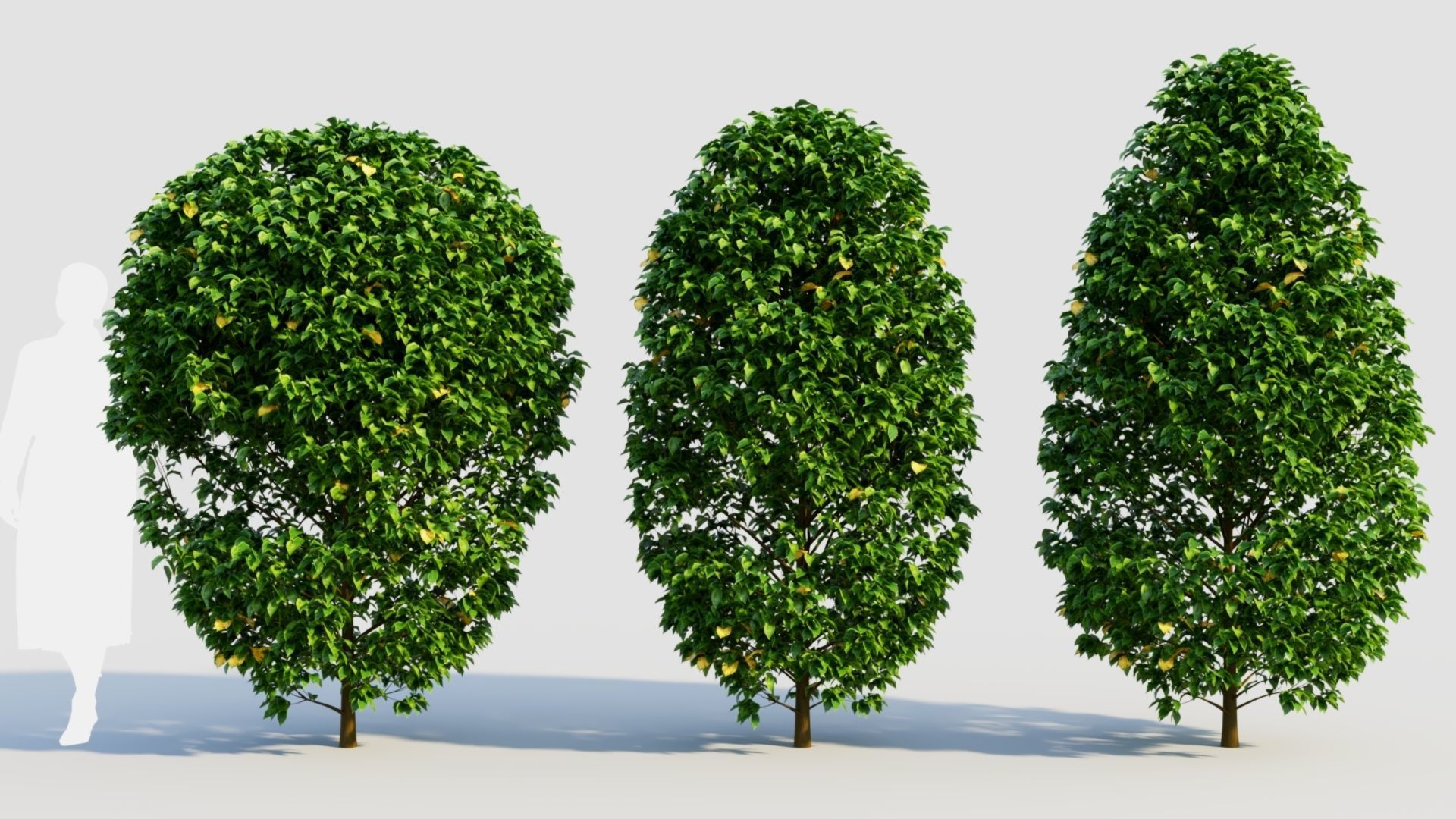 | 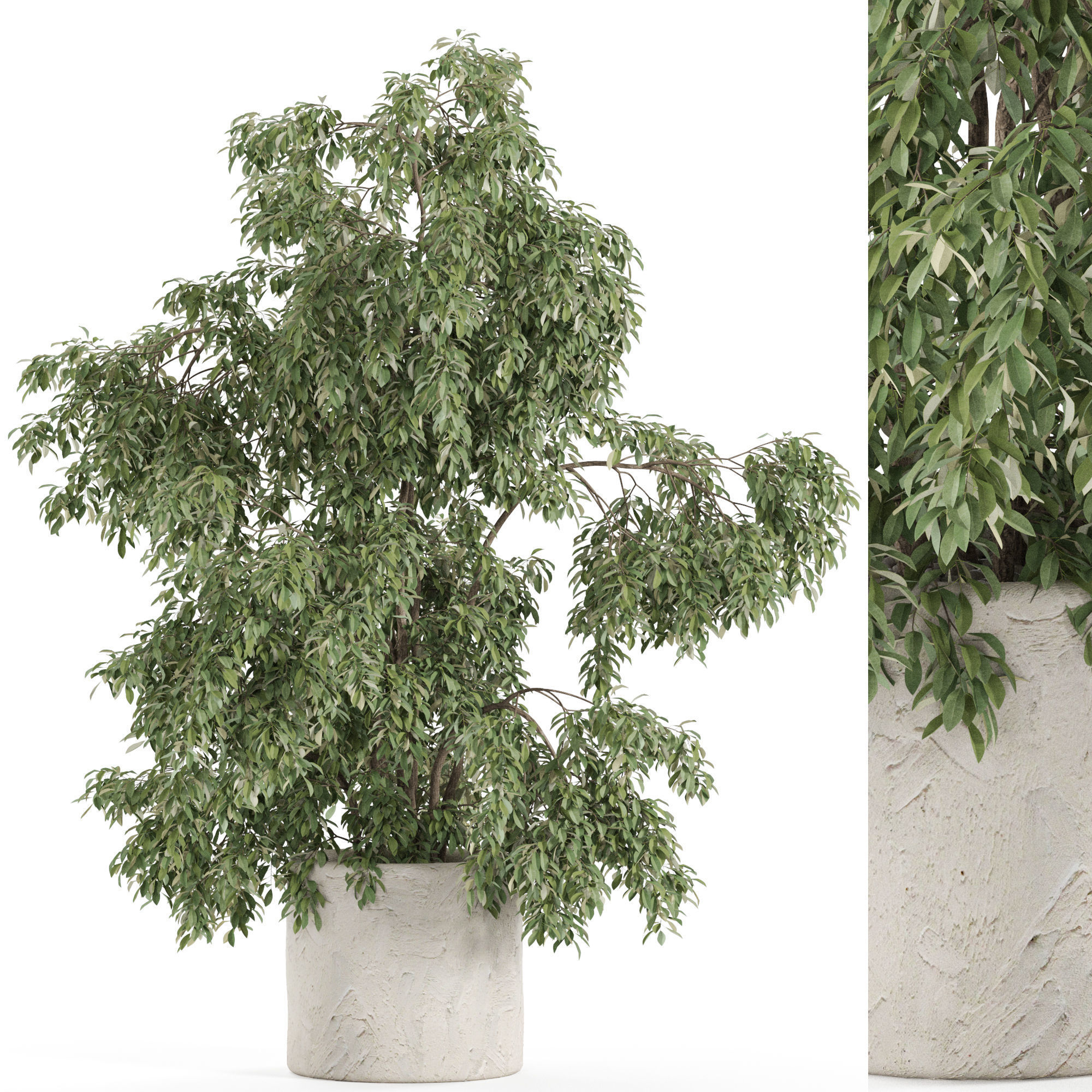 | 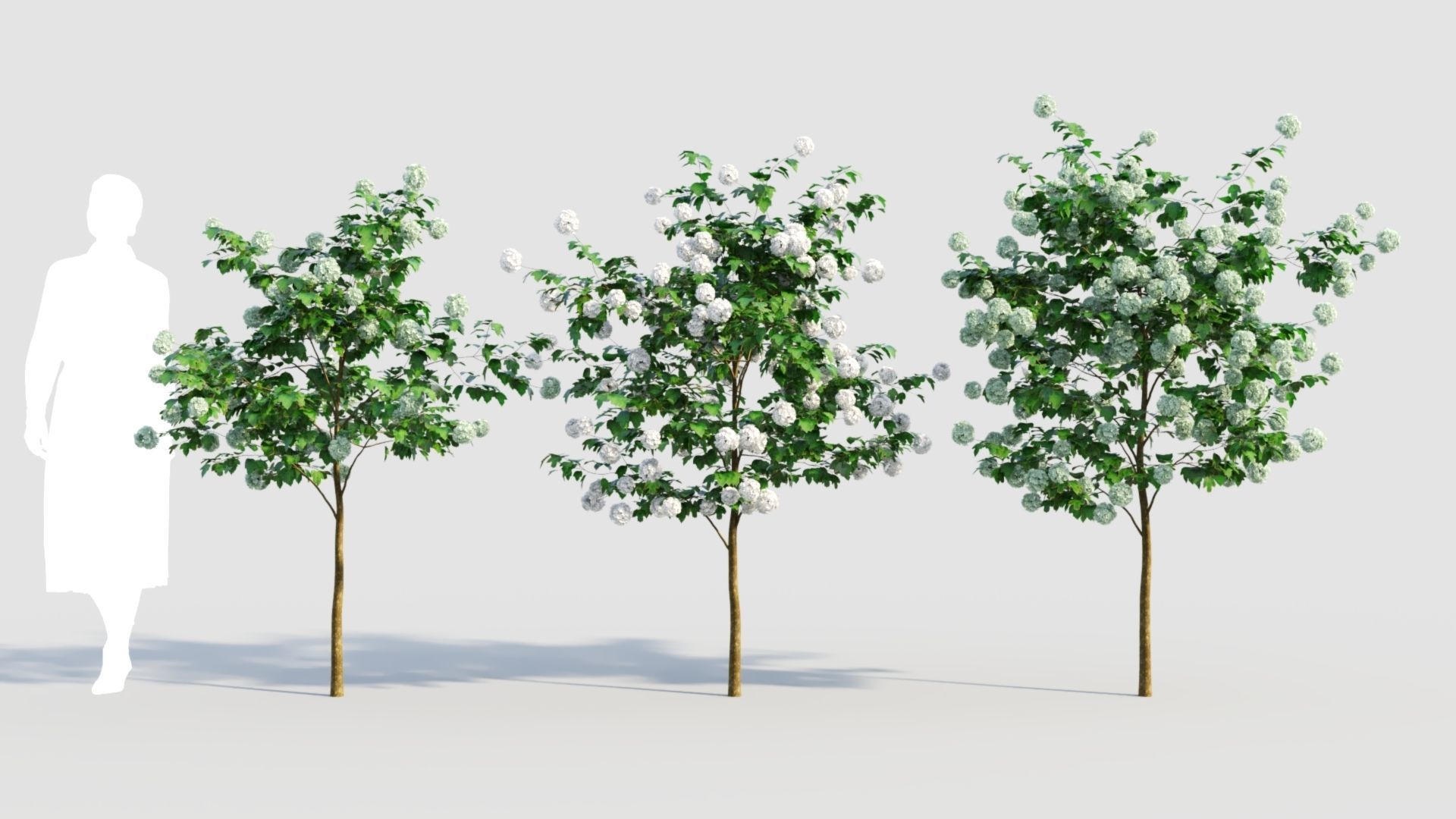 | 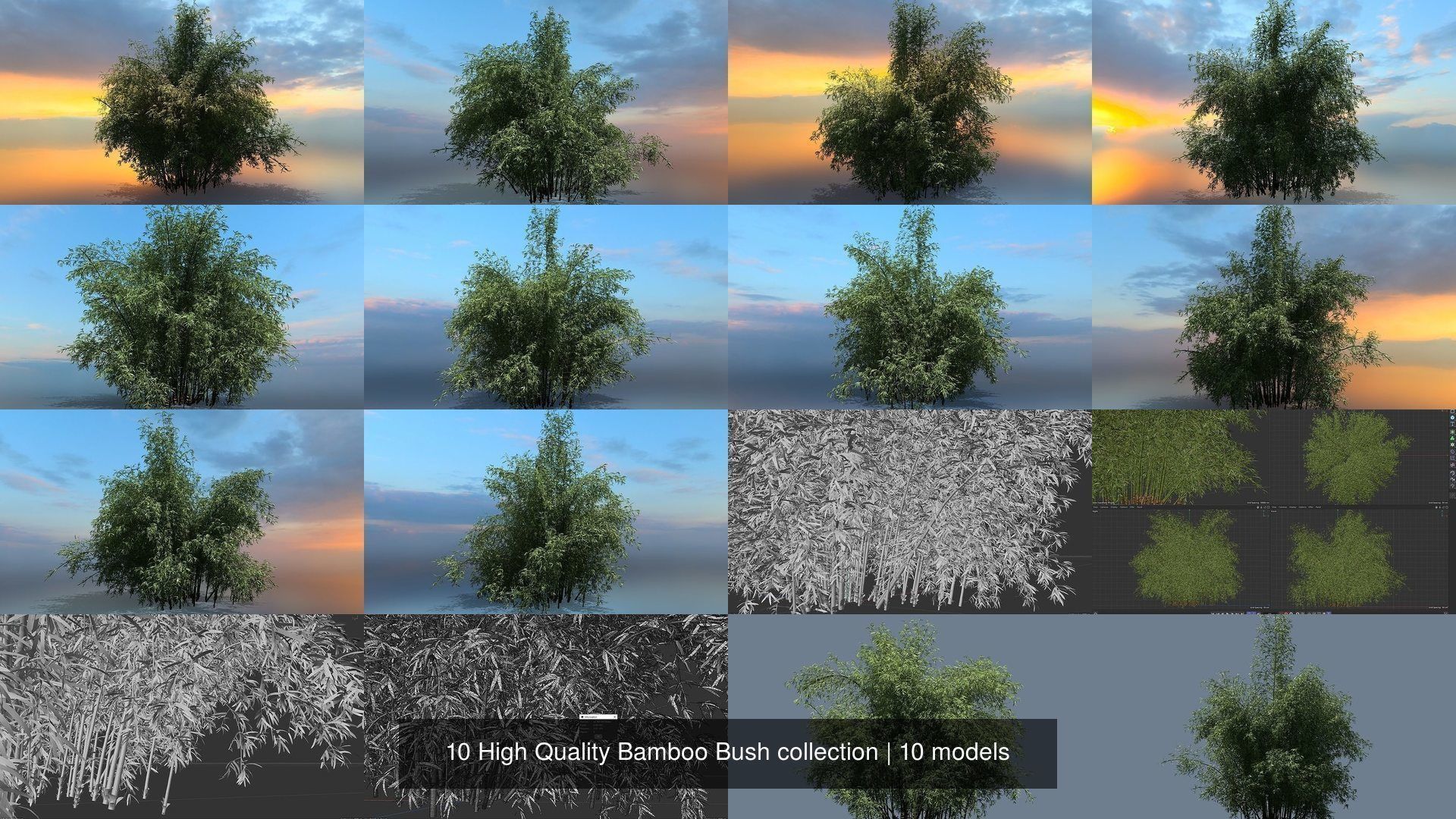 | 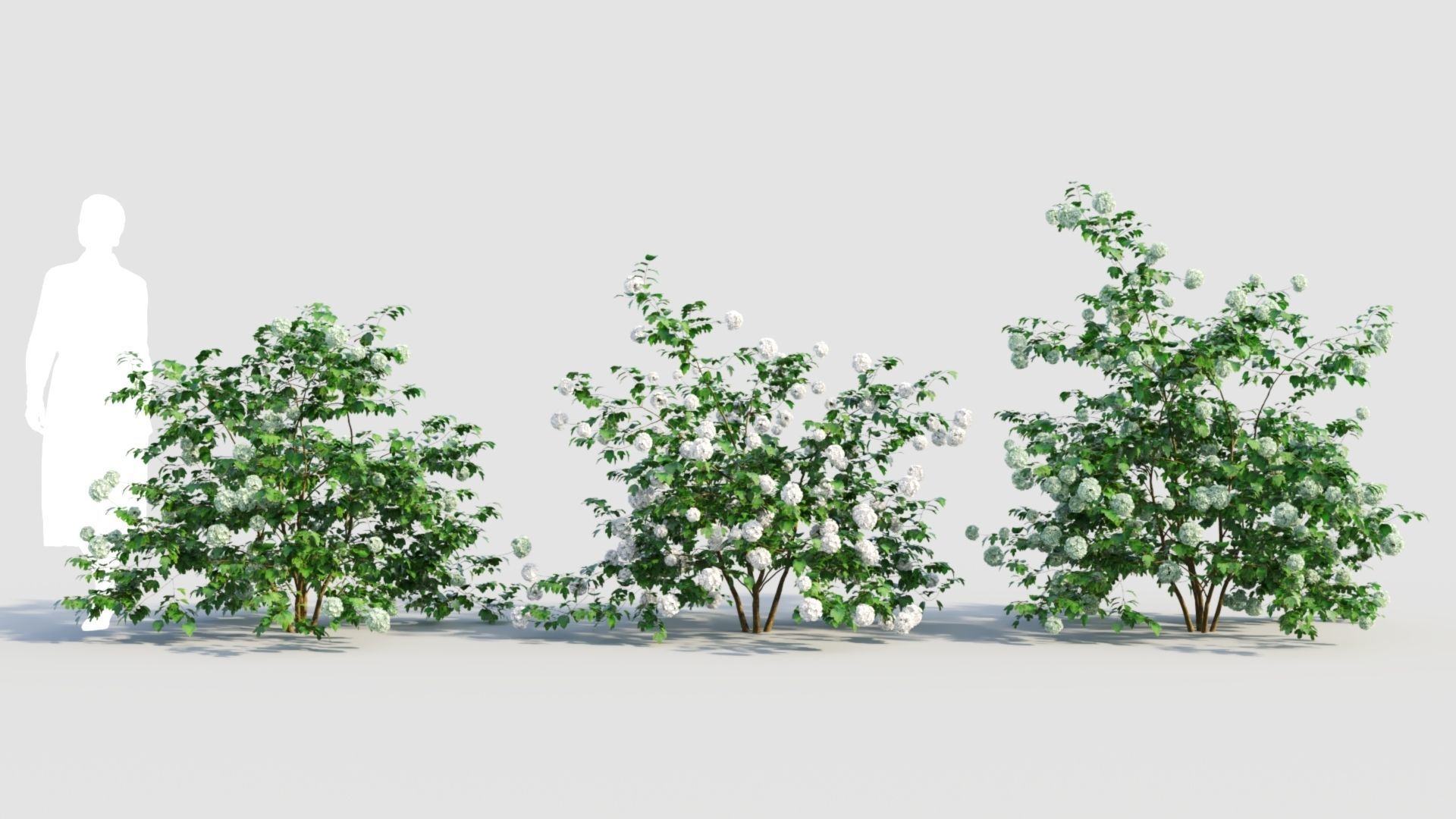 |
| SKU | 5321368 | 5300824 | 4565549 | 5332482 | 5394656 | 5332486 |
| Rating | ||||||
| Price | $20.00 | $8.00 | $19.00 | $10.00 | $125.00 | $10.00 |
| Stock | ||||||
| Availability | ||||||
| Add to cart | ||||||
| Description | ||||||
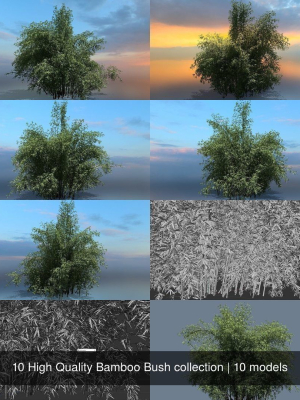
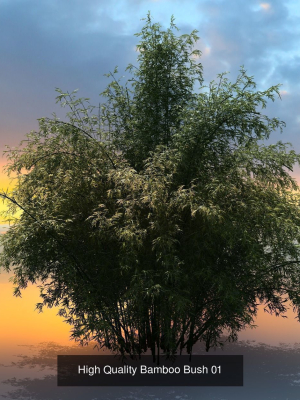
| Content | Name: Portia Tree LowPoly Scientific: Thespesia populnea A.K.A.: Pacific Rosewood, Indian Tulip Tree, Polynesian Rosewood, Seychelles Rosewood, Spanish Cork, Bendytree, Cork-Tree, Corktree This Variation: 1 of 4. This is a Low Poly model. A High Poly version is also available. Notes: A tree found commonly on coasts around the world. Although it is confirmed to be native only to the Old World tropics, other authorities consider it to have a wider, possibly pantropical native distribution. Found along tropical coastlines and adapted for oceanic dispersal and growth in island environments. It is known from both coasts of Africa, tropical Asia, northern Australia, the Pacific Islands (including Hawaii), the tropical Pacific coast of the Americas from Mexico south to Colombia, the West Indies, and Florida in the United States. Typically it reaches a height of 6–10m and grows at elevations from sea level to 275m in areas that receive 500–1,600mm of annual rainfall. It is able to grow in the wide range of soil types that may be present in coastal environments, including soils derived from quartz (sand), limestone, and basalt. Included in this Package: 14 models in total Standard -- 24,104 polygons, 44,997 vertices, 9.69m tall. Green, fully mature and in good health. Has mixture of flowers and fruit. Useable in most scenes. Flowering -- 28,520 polygons, 58,245 vertices, 9.69m tall. A standard plant with all flower. Fruiting -- 19,196 polygons, 30,273 vertices, 9.69m tall. A standard plant with all fruit. Thriving -- 25,669 polygons, 48,050 vertices, 9.69m tall. Peak health. Unhealthy -- 6,936 polygons, 10,964 vertices, 9.69m tall. Relatively poor state with foliage missing or diseased. Dying -- 3,815 polygons, 5,433 vertices, 9.55m tall. Just hanging onto life and showing only unhealthy and diseased foliage. Dead -- 2,325 polygons, 3,098 vertices, 8.36m tall. Showing only bare and broken branches and dead foliage. Uprooted -- 8,971 polygons, 11,241 vertices, 4.33m tall. Dead plant fallen onto its side. Ancient -- 27,355 polygons, 48,566 vertices, 11.02m tall. Very old plant, larger and considerably gnarled. Young -- 20,946 polygons, 39,889 vertices, 8.24m tall. Smaller plant, some half way through its maturing cycle. Immature -- 1,297 polygons, 2,200 vertices, 3.68m tall. Very small and young plant. Sapling -- 443 polygons, 744 vertices, 67.8cm tall. Recently sprouted, may not have any leaves. Lower Poly -- 20,995 polygons, 40,868 vertices, 9.69m tall. Fewer polys to save system resources. For mid or distant renders. Standard model included, remainder models upon request (no charge). Higher Poly -- 29,672 polygons, 51,384 vertices, 9.69m tall. More polys for greater detail. For close-up renders. Standard model included, remainder models upon request (no charge). Re-meshing and any reasonable modification available upon request. No charge to existing customers of the product. The textures included are mainly 4k (4096x4096); additional texture sizes of medium 2k, small 1k, and tiny <1k textures can also be downloaded. Separated alpha maps can be download as well. EVERYPlant has a mission ... which is to model every plant species in the world (plus some extinct, fantasy and sci-fi variations as well)! Okay, maybe not every plant! If you don't see it in our store, please get in contact; we have thousands of species on file awaiting upload. | Carpinus betulus, the European or common hornbeam, is a species of tree in the birch family Betulaceae, native to Western Asia and central, eastern, and southern Europe, including southern England. It requires a warm climate for good growth. It grows in mixed stands with oak, and in some areas beech, and is also a common tree in scree forests. Hornbeam was also known as yoke elm. max (3ds Max 2020 corona) max (3ds Max 2020 vray) fbx (Multi Format) OBJ (Multi Format) blender(Multi Format) skp(Multi Format) The file pack includes map If any appearance modifications are needed, please contact me first. I will provide feedback as soon as I see the email. | High quality 3d models Plants collection 965 A unique collection of plants can be used for exterior and interiors Formats 3ds max 2013 V-ray 4.0 Corona render 4.0 Default Scanline FBX V-ray Corona render Default Scanline OBJ Standard materials Cinema4D Standard Blender Cycles (you need to specify the path to the texture. File > External Data > Find Missing Files. and select texture folder) | The European Cranberrybush (scientific name: Viburnum opulus) is a deciduous shrub belonging to the Adoxaceae family. It is native to Europe, North Africa, and Central Asia and is widely distributed in temperate climate zones. This plant is widely cultivated for its beautiful flowers and fruits and is commonly used in landscaping and ornamental gardening. max (3ds Max 2020 corona) max (3ds Max 2020 vray) fbx (Multi Format) OBJ (Multi Format) blender(Multi Format) skp(Multi Format) The file pack includes map If any appearance modifications are needed, please contact me first. I will provide feedback as soon as I see the email. | 10 group of high quality Bamboo Bush Includes materials (standard) and textures (4K). The file format is FBX/C4D(standard) | The European Cranberrybush (scientific name: Viburnum opulus) is a deciduous shrub belonging to the Adoxaceae family. It is native to Europe, North Africa, and Central Asia and is widely distributed in temperate climate zones. This plant is widely cultivated for its beautiful flowers and fruits and is commonly used in landscaping and ornamental gardening. max (3ds Max 2020 corona) max (3ds Max 2020 vray) fbx (Multi Format) OBJ (Multi Format) blender(Multi Format) skp(Multi Format) The file pack includes map If any appearance modifications are needed, please contact me first. I will provide feedback as soon as I see the email. |
| Weight | N/A | N/A | N/A | N/A | N/A | N/A |
| Dimensions | N/A | N/A | N/A | N/A | N/A | N/A |
| Additional information | ||||||
| Sold | 0 | 0 | 0 | 0 | 0 | 0 |
| Shipping |